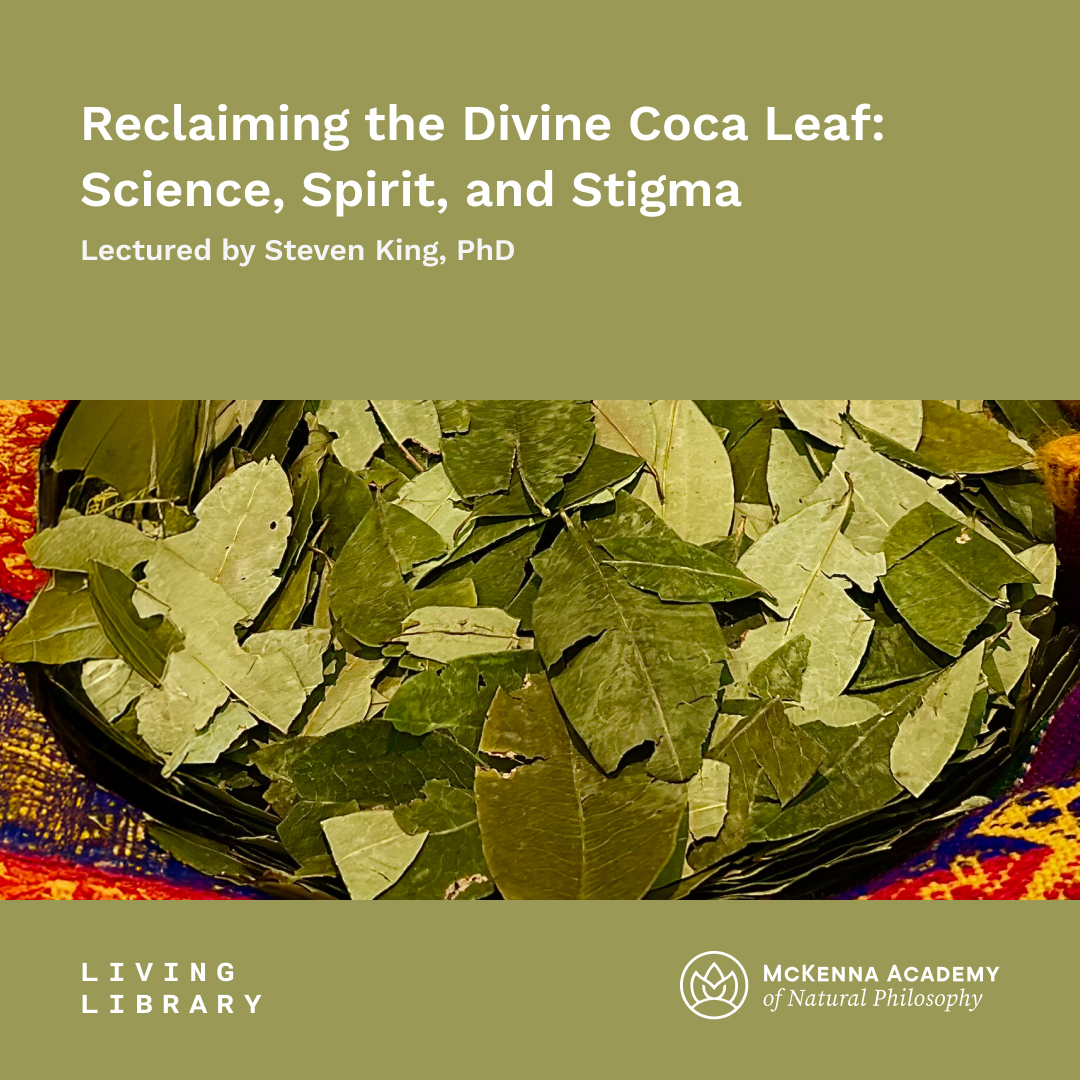
For nearly a century, the world has viewed the Coca leaf through a single, narrow lens: the white powder derived from it. But the story of Erythroxylum is far older, deeper, and more complex than the stigma suggests.
Reclaiming the Divine Leaf: Science, Spirit, and Stigma is an eye-opening course that separates the sacred plant from the illicit chemical. This journey takes you behind the headlines and the War on Drugs to reveal an 8,000-year-old relationship between humanity and the Andes’ most revered botanical treasure
We will deconstruct the “Great Confusion”—the historical errors and scientific misunderstandings that conflated a nutrient-dense superfood with a dangerous narcotic. From the ancient rituals of the Incas to the distinct taxonomy of the plant, and finally to groundbreaking modern research in botanical medicine, you will learn why Indigenous cultures call it “The Divine Plant.”
What you will learn:
- The Truth About the Plant, Distinguish the Coca leaf from cocaine. Learn the chemistry, nutritional profile, and why the leaf is a mild stimulant closer to tea or coffee than hard drugs.
- Andean History & Ritual: Explore the “Real Story” of the Andes, where Coca is the social fabric of the community, used in Kintu offerings, weddings, and as a sacred link to the Pachamama (Earth Mother).
- Correcting History: Uncover how early commercialization (like Vin Mariani) and scientific errors (like those of Sigmund Freud) distorted the global perception of the leaf.
- Ethnobotany & Biodiversity: Study the fascinating evolution and taxonomy of the plant, including the unique varieties found across Peru, Bolivia, and Colombia.
- A New Medical Era: Look forward to the future of Magdalena Biosciences and the development of legal, FDA-approved botanical medicines for mental health and metabolic disorders.
Who is this online course for?
This course is designed for a diverse audience, united by a curiosity to look “Reclaiming the Leaf: Science, Spirit, and Stigma” and understand the complex reality of one of the world’s most controversial plants. You will find this course valuable if you are:
- Students of Anthropology, Botany, & Latin American Studies: Looking to deepen your understanding of the Andean region, the ethnobotany of Erythroxylum, and the specific history of indigenous resistance and cultural survival.
- Healthcare Practitioners, Herbalists, & Nutritionists: Wanting to explore the nutritional science of the Coca leaf (vitamins, alkaloids, calcium) and the emerging field of Botanical Drug Development for treating modern metabolic and mental health conditions.
- Policy Makers, Legal Professionals, & Advocates: Seeking to understand the complexities of international drug scheduling (Schedule I vs. Schedule II), the impact of the “War on Drugs,” and the current movements toward regulation and destigmatization.
- Conservationists & Environmental Professionals: Aiming to understand the ecological differences between traditional sustainable Coca farming and the environmental damage caused by illicit cocaine processing and deforestation.
- Biotech & Industry Entrepreneurs: Interested in the business of botany and the regulatory pathways (such as the FDA Botanical Drug pathway) for bringing traditional plant medicines to the global market.
- Individuals Working with Indigenous Communities: Those wishing to honor and understand the deep-rooted spiritual systems (the Kintu, Pachamama) that define the Andean relationship with the plant kingdom.
- Curious Minds & Truth Seekers: Anyone interested in deconstructing historical myths (like Freud’s errors) and learning the true story of the plant, regardless of prior academic background.
Immerse yourself in a world-class educational experience, perfect for students and enthusiasts of anthropology, ethnobotany, drug policy, and traditional medicine. Go beyond the stigma to understand the essential, multifaceted connections that link humanity to the ‘Divine Plant’ of the Andes.