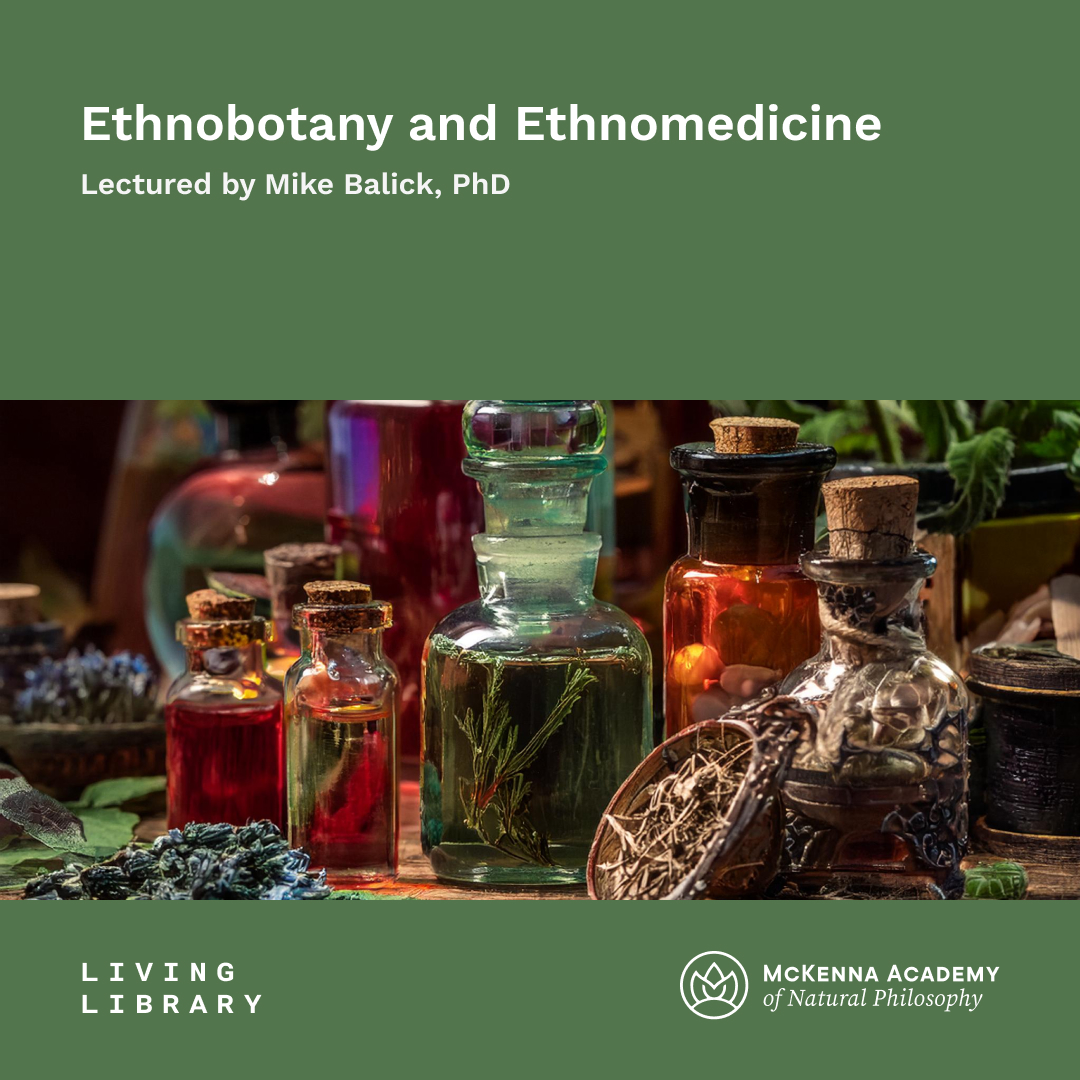
Embark on a fascinating journey into the world of Ethnobotany and Ethnomedicine, exploring the rich tapestry of traditional knowledge surrounding plants and their uses. This Ethnobotany online course delves into the historical roots of these fields, tracing the evolution of how humans have documented and utilized plant knowledge from ancient civilizations to the modern era. We’ll examine captivating case studies from Belize, Micronesia, and Vanuatu, revealing how traditional practices intersect with contemporary research to uncover new solutions for healthcare, conservation, and cultural preservation.
You’ll gain insights into the ethical considerations of conducting research with indigenous communities, emphasizing respect for their intellectual property and cultural heritage. We’ll explore the critical importance of field research and proper documentation of plant specimens, while also delving into innovative research models, such as the ethno-directed sampling hypothesis, that seek to validate traditional plant uses through scientific investigation.
Discover the profound connections between people, plants, and healing, and uncover the potential of traditional knowledge to address pressing global challenges, promoting both human and ecological well-being. This course is ideal for students interested in anthropology, botany, medicine, environmental studies, and anyone passionate about exploring the power of nature and cultural wisdom.
Learn why plant knowledge and biodiversity are crucial for human well-being and ecological balance, and understand the urgent importance of preserving traditional wisdom in the face of globalization.
What you’ll learn:
- The foundations of ethnobotany and ethnomedicine
Explore the history, methodologies, ethical considerations, and the importance of traditional ecological knowledge in these interconnected fields. - Ancient to modern plant knowledge documentation
Trace the evolution of documenting plant uses, from ancient medical texts to contemporary research practices, including the role of herbals and botanical gardens. - The crucial role of accurate plant identification
Understand the significance of good botanical practices, voucher specimens, and the potential consequences of misidentification, particularly in medicinal contexts. - Ethno-directed sampling and drug discovery
Examine the hypothesis and its application in the search for novel compounds from plants used traditionally for specific ailments, with examples from Belize and the NCI project. - The cultural significance of plants
Explore the diverse uses of plants in different cultures, including their roles in medicine, food, rituals, social communication (message plants), and ecological indicators (calendar plants). - Traditional healing and healthcare integration
Learn about the collaboration with traditional healers like Don Eligio Panti and the integration of traditional plant-based remedies into primary healthcare manuals, exemplified by projects in Palau. - Biocultural conservation in Vanuatu
Investigate the threats to biodiversity and cultural diversity and the importance of preserving traditional knowledge and languages through projects like custom schools and the Talking Dictionary. - Sustainable resource management
Understand the role of traditional leadership and community-based initiatives in managing resources like turtles and forests, contrasting these methods with other approaches. - Ethical collaboration with indigenous communities
Learn about the ethical imperative of recognizing and respecting indigenous knowledge, including giving intellectual credit and ensuring equitable partnerships. - The urgency of ethnobotanical research
Appreciate the need to document traditional knowledge before it is lost, recognizing the finite time window for collaborating with elders and preserving cultural memory.
Who is this online course for?
This online course is designed for a diverse audience, united by a curiosity about the intricate and essential relationships between plants and human cultures. You’ll find this course valuable if you are:
- Students of botany, anthropology, medicine, pharmacy, and related fields
Gain a deeper understanding of the cultural context of plant use and its implications for research and practice. - Healthcare professionals and traditional healers
Explore the potential of integrating traditional plant-based remedies into healthcare systems and learn about cross-cultural healing practices. - Conservationists and environmentalists
Discover how traditional ecological knowledge can inform conservation strategies and promote sustainable resource management. - Community developers and policymakers
Learn how ethnobotanical research can contribute to community health, economic development, and cultural preservation initiatives - Individuals interested in traditional knowledge systems
Explore the rich diversity of indigenous plant knowledge and its importance for cultural identity and resilience. - Anyone passionate about plants and their connection to human well-being
Discover the fascinating world of ethnobotany and its relevance to contemporary issues like healthcare, conservation, and cultural heritage. - Writers, researchers, and educators
Gather inspiration and information for projects related to plants, culture, and traditional knowledge. - Lifelong learners seeking to expand their knowledge of the natural world
Discover the fascinating ways humans have interacted with plants throughout history and across cultures.