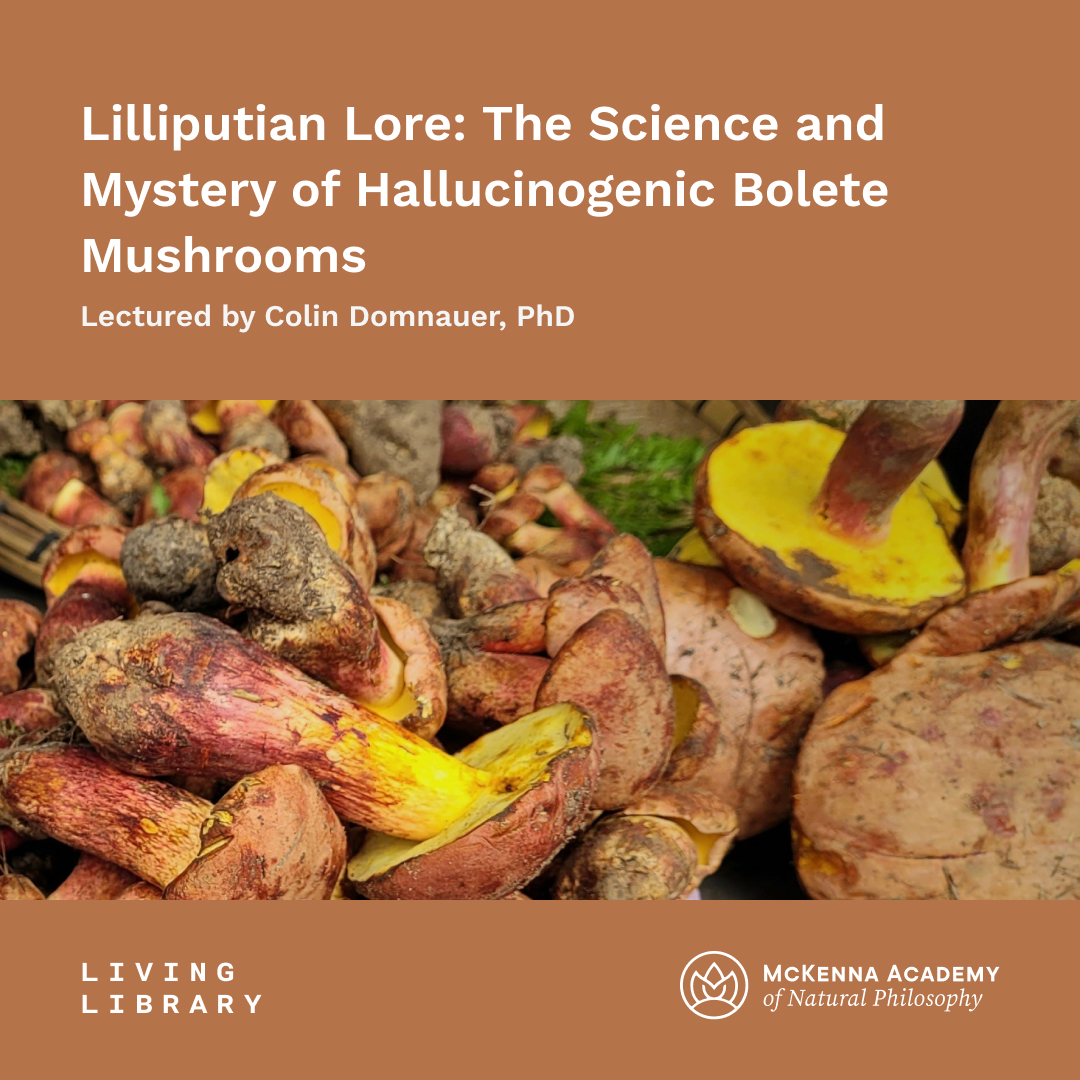
Lilliputian Lore: The Science and Mystery of Hallucinogenic Bolete Mushrooms

Explore the mystery of hallucinogenic bolete mushrooms and their striking “Lilliputian hallucinations.” Guided by researcher Colin Domnauer, this course follows the phenomenon from 1930s Papua New Guinea to modern Asian markets, examining ethnomycology, taxonomic challenges, bolete evolution, and the scientific search for a potentially new, still‑unidentified psychoactive compound.

Buy Now

Decades before psilocybin captured global attention, anthropologists in Papua New Guinea reported a bizarre phenomenon known as “mushroom madness.” Locals consuming a specific wild bolete mushroom experienced distinct “Lilliputian hallucinations”—realistic, three-dimensional visions of tiny people, elves, and creatures interacting with the physical environment. In this course, PhD researcher Colin Domnauer takes you on a global scientific journey from the remote forests of Papua New Guinea to the bustling mushroom markets of Yunnan, China, and the northern Philippines to unravel one of mycology’s most enduring mysteries.

Unlike the well-known gilled psychoactive mushrooms (Psilocybe and Amanita), boletes diverged evolutionarily over 150 million years ago, pointing to an entirely unique, yet-to-be-discovered psychoactive chemistry. Students will dive into the taxonomic challenges of identifying morphologically convergent “cryptic” species, exploring how modern DNA sequencing finally pinpointed the primary culprit behind these multi-day hallucinatory trips: Lanmaoa asiatica. The course explores the historical timeline of this phenomenon, including the 1960s expeditions of mycologists Gordon Wasson and Roger Heim, the failed chemical isolations by legendary psychedelic chemist Albert Hofmann, and intriguing references to “flesh-spirit mushrooms” in ancient Daoist texts.

Finally, the course examines the cutting-edge pharmacology and clinical data surrounding these heat-sensitive mushrooms today. Through recent clinical hospital data in China and behavioral studies involving mouse models and chemical fractionation, you will see how modern science is closing in on an elusive, novel bioactive compound. Join us to explore the taxonomy, ethnomycology, and neurobiology of these obscure fungi, and uncover the profound questions they raise about the uncharted chemistry of the natural world and the mysteries of human perception.
Related Products

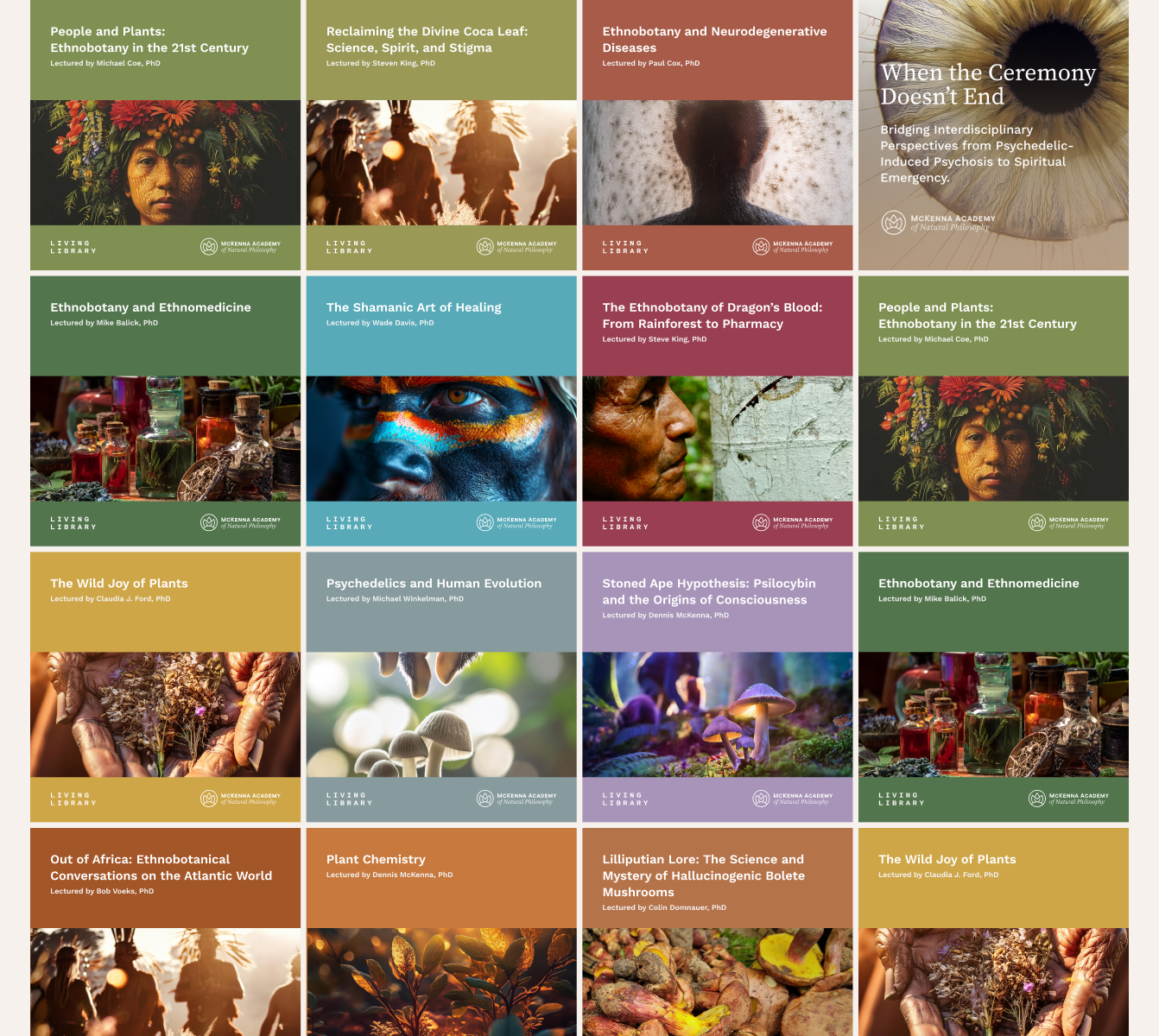
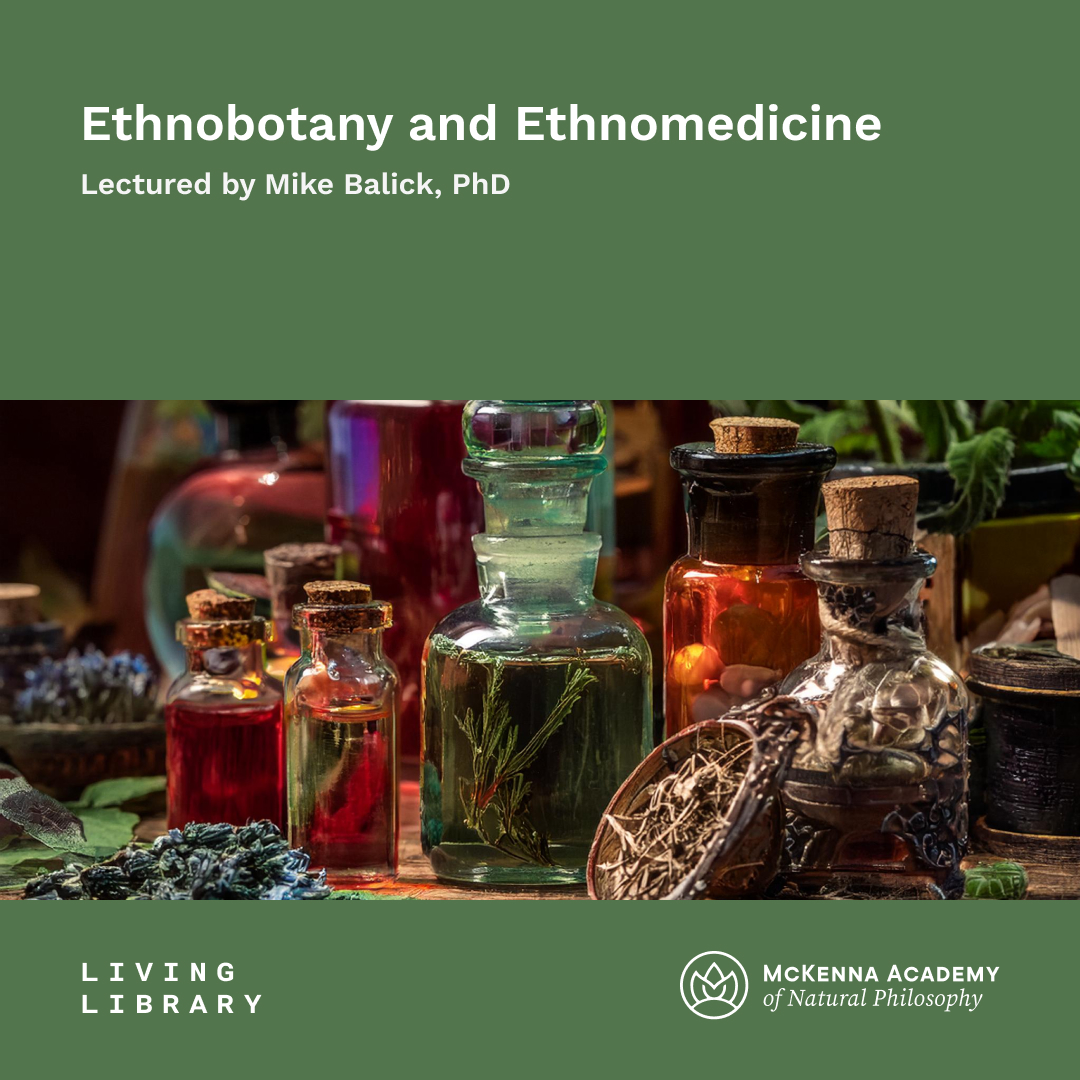
Ethnobotany and Ethnomedicine

Ethnobotany and Ethnomedicine

This course explores ethnobotany and ethnomedicine through global case studies, revealing how traditional plant knowledge informs healing, conservation, and cultural resilience. Examine practices from Belize, Micronesia, and Vanuatu, learn ethical research principles, and discover how Indigenous wisdom and modern science intersect to address ecological and health challenges while preserving vital botanical heritage.

Ethnobotany and Neurodegenerative Diseases

Ethnobotany and Neurodegenerative Diseases

This course explores how the traditional knowledge of indigenous communities is helping science find plant-based treatments for neurodegenerative diseases. Learn about real-world case studies and promising clinical trials for conditions like ALS and Alzheimer’s.

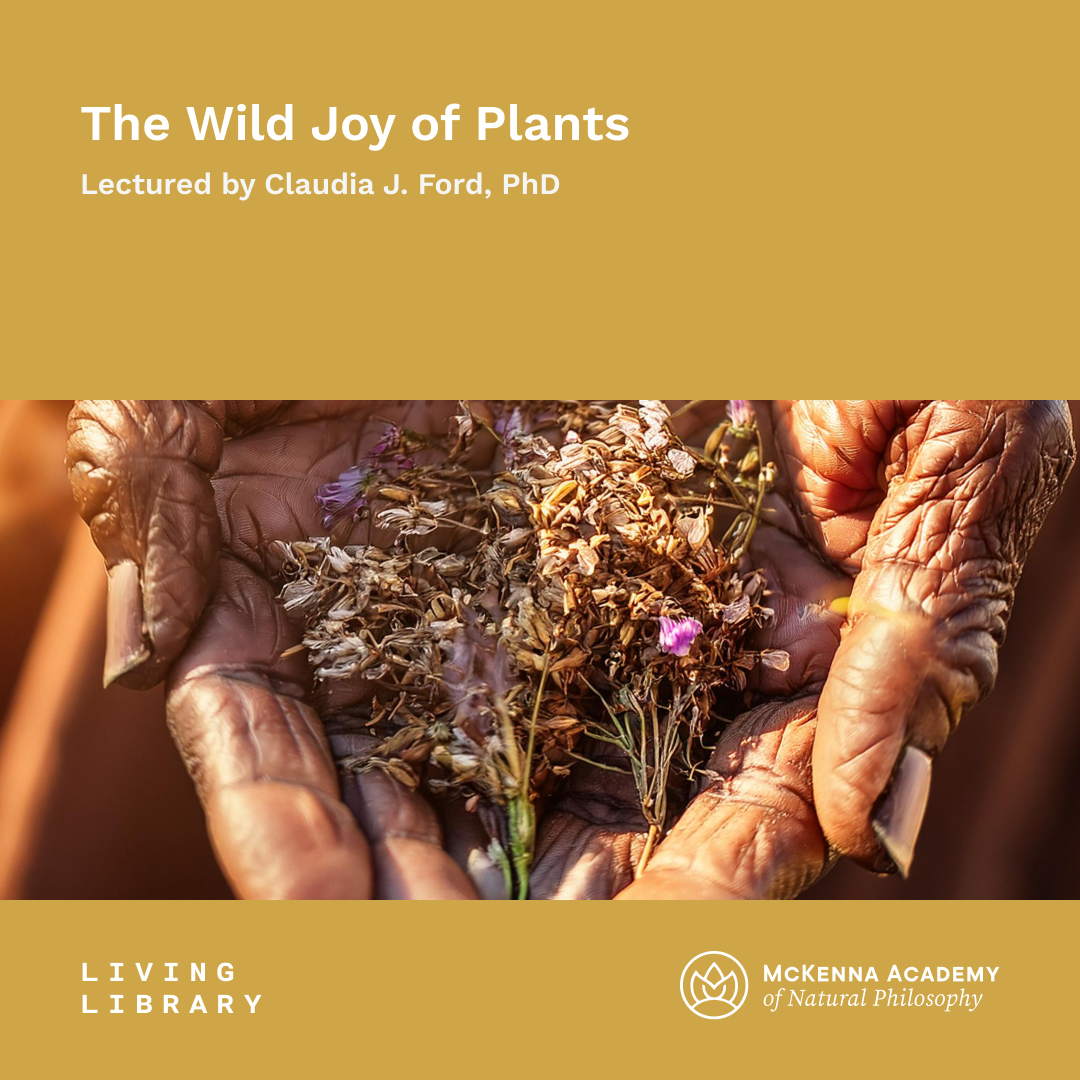
Ethnobotany: The wild joy of Plants

Ethnobotany: The wild joy of Plants

This course explores ethnobotany through the plant knowledge, healing traditions, and cultural histories of diverse communities, with a focus on Native American and African American contributions. Through stories, scholarship, and historical insight, you’ll examine plants as tools of ceremony, medicine, and resistance, while deepening your understanding of humanity’s enduring relationship with the natural world.

Living Library

Living Library

The Living Library — a curated collection of courses, live webinars, and community access that brings lineage‑informed plant, psychedelics, fungal, and consciousness study into one living library. Join a private learning community, attend regular live events, and access a growing archive of deep, practice‑focused content.

Out of Africa: Ethnobotanical Conversations on the Atlantic world

Out of Africa: Ethnobotanical Conversations on the Atlantic world

This course explores how African plant knowledge traveled and transformed across the Atlantic world. Through the history of the slave trade, the Columbian Exchange, and case studies like Afro‑Brazilian Candomblé, you’ll examine plants in ritual, healing, and daily life while considering invasive species, biocultural conservation, and the enduring botanical heritage of the African Diaspora.

People and Plants: Ethnobotany in the 21st century

People and Plants: Ethnobotany in the 21st century

Discover the fascinating world of ethnobotany and the vital connections between plants and people. This course explores how diverse cultures use plants for everything from food and medicine to sacred ceremonies.