Abstract
Indigenous entheogenic healing traditions are important sources for identifying bioactive substances but are not appreciated as sources of empirical knowledge regarding optimal set and setting. This paper presents an analysis of ten contemporary entheogenic healing traditions of the Americas (Wixárika/Huichol, Mazatec, Nahuas, Mixtec, Otomi, Kamëntsá, Shipibo-Konibo, Peruvian vegetalismo, San Pedro, Peyote Church) to illustrate cross-cultural similarities of indigenous entheogenic set and setting (IESS). Common IESS includes:
Pre-ritual preparation through fasting and sexual abstinence;
Over-night group ritual activities;
Engagement with singing, drumming, dancing, and music;
Visionary experiences used for self-diagnosis and determination of treatment;
Addressing a wide range of personal, familial, and community problems;
Post-session dreams as part of treatment and integration;
Post-session restricted social contact and sexual and drug abstinence; and
Making changes in how one lives, feels, and relates to the world.
Evolutionary and psychopharmacological assessment of these shared IESS features reveals homologies with our evolved psychology of ritual healing and practices that enhance the effects of psychedelics on the nervous system and emotions. Shared IESS features reflect biocultural evolutionary adaptations and biogenetic bases in our evolved psychology.
These involve:
the effects of preparatory fasting and sexual abstinence that reduce inhibitions and potentiate excitatory influences of psychedelics;
collective rituals that exapt social bonding hormone systems;
overnight ceremonies that incorporate the natural dream cycles and their qualities of visual symbolic expression and information integration;
mimetic activities (i.e., dancing, chanting and music) that stimulate endorphin and neurotransmitter systems;
use of patients’ visionary experiences as a diagnostic tool;
application to a wide variety of physical, personal, interpersonal, and communal problems that reflects psychedelics’ transdiagnostic applicability and plastogenic properties;
use of dreams as an integration tool that extends the altered state integrative potentials beyond the ceremony;
and post-ceremony restrictions, especially sexual abstinence, which consolidate psychological recalibration achieved during the ceremony by stabilizing the Excitation-Inhibition balance in the nervous system.
These psychopharmacological dynamics of common features of IESS illustrate their empirical basis and applicability to modern clinical practices. The relationship of IESS to cross-cultural principles of pre-modern shamanic practices illustrate a broader domain of applicability of common principles of indigenous ethnomedicine to contemporary healing. These scientifically derived and supported principles of IESS should be incorporated into clinical studies and psychedelic healing practices as the natural evolved set and setting of psychedelic use to optimally align expectation and context with the features of human nature to enhance the therapeutic potentials of psychedelics.
Biography
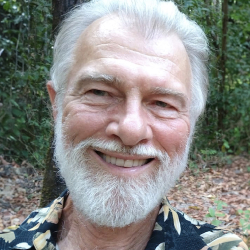
Michael Winkelman’s career has centered on shamanism, psychedelics, and altered states of consciousness. A major dimension of his work involves the practical application of these fields, particularly in utilizing these practices for the treatment of addiction. His extensive publications examine how shamanism can integrate into contemporary healthcare, featured in landmark papers such as “Alternative and Traditional Medicine Approaches for Substance Abuse Programs: A Shamanic Approach” (2001), “Complementary Therapy for Addiction: ‘Drumming Out Drugs’” (2003), “Spirituality and the Healing of Addictions” (2004), and “Shamanistic Harm Reduction Practices” (2009).
A specific focus of his research highlights the empirical evidence supporting the effectiveness of psychedelics in substance abuse rehabilitation, notably explored in “Psychedelics as Medicines for Substance Abuse Rehabilitation: Evaluating Treatments with LSD, Peyote, Ibogaine and Ayahuasca” (2014, 2018). Dr. Winkelman has compiled interdisciplinary evidence across anthropological, social, clinical, and laboratory sciences to demonstrate the therapeutic value of these substances in his books Psychedelic Medicine (2007) and Advances in Psychedelic Medicine (2019). Additionally, he has outlined best practices for the field in “Shamanic Guidelines for Psychedelic Medicines” (2007).